
For decades, families across Newcastle and the rest of the UK have grown up with the same familiar version of Pinocchio.
Most people picture a cheerful wooden puppet, a kindly old Geppetto and the wise voice of Jiminy Cricket guiding Pinocchio toward becoming a better person. The Disney version became one of the most recognisable animated stories in cinema history and shaped how generations understood the character.
But literary experts say the story millions know today is dramatically different from the original version written in 19th century Italy.
In fact, the real Pinocchio tale was far darker, more violent and far more disturbing than most Disney fans realise.
The original story included attempted murder, hanging scenes, psychological horror and one moment that still shocks modern readers today - Pinocchio kills the cricket character within the opening chapters of the book.
The revelation has sparked growing fascination online, with readers across the UK rediscovering the grim origins of famous fairy tales once considered children’s stories.
Disney’s Pinocchio Changed The Story Forever.
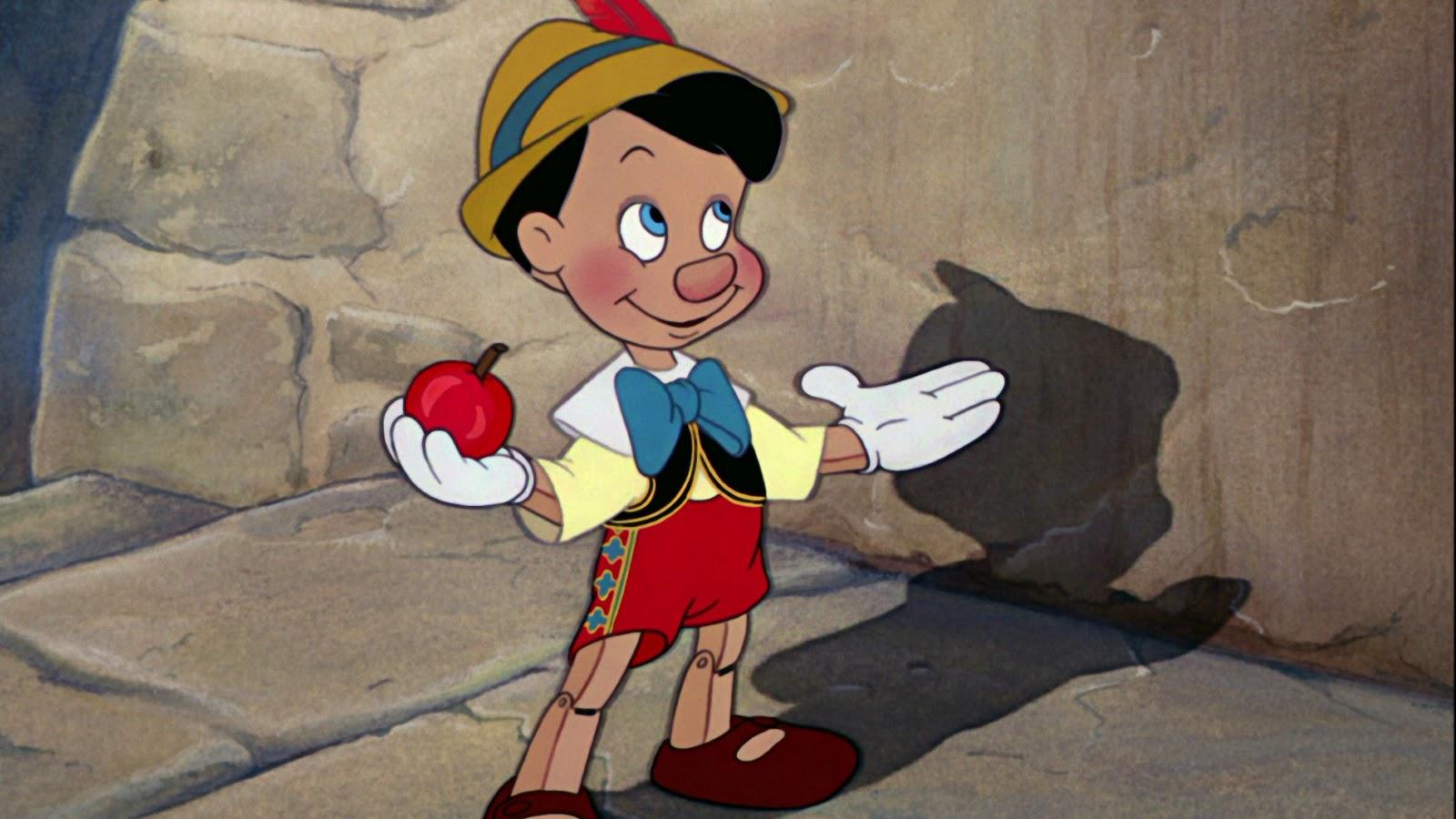
When Walt Disney released Pinocchio in 1940, the film transformed the character into a global icon.
The movie softened the darker aspects of Carlo Collodi’s original novel and replaced them with emotional storytelling, music and colourful animation designed for family audiences.
Jiminy Cricket became the emotional centre of the story.
He was funny, caring and wise, acting as Pinocchio’s conscience throughout the film while teaching lessons about honesty and responsibility.
For many viewers in Newcastle and across Britain, Jiminy Cricket became one of Disney’s most beloved supporting characters.
What most audiences never realised, however, was that the original cricket did not survive long at all.
The Original Pinocchio Killed The Cricket.
In Carlo Collodi’s original 1883 novel The Adventures of Pinocchio, the cricket character was not named Jiminy Cricket.
He was simply known as “The Talking Cricket.”
The character appears early in the story to warn Pinocchio about his reckless behaviour and refusal to listen to advice. The cricket tells him that lazy and disobedient children often face terrible consequences.
Instead of accepting the warning, Pinocchio explodes with anger.
In one of the most shocking scenes in classic children’s literature, the puppet grabs a wooden mallet and throws it directly at the cricket, killing him instantly.
The moment is abrupt and unsettling.
There is no emotional apology or redemption scene. The cricket simply dies against the wall while Pinocchio continues the story almost immediately afterward.
For readers who only know the Disney adaptation, discovering this moment often feels surreal.
Why The Original Story Was So Dark.
Modern audiences often forget that many famous fairy tales were originally written during periods when storytelling was far harsher.
In the late 1800s, children’s stories were frequently designed to teach moral lessons through fear, punishment and tragedy rather than comfort and optimism.
Carlo Collodi wrote Pinocchio during that era.
The original book was intended as a cautionary tale warning children about dishonesty, selfishness and ignoring authority.
Unlike Disney’s innocent and curious puppet, Collodi’s Pinocchio is often rude, selfish and impulsive. He repeatedly ignores advice, mistreats others and makes reckless decisions that place him in danger.
The consequences in the original story are severe.
Experts in children’s literature say this reflected the social attitudes of the time, when harsh moral lessons were considered an important part of storytelling for younger readers.
The Original Ending Was Even More Disturbing.
What surprises many people even more is that Collodi originally planned for Pinocchio himself to die.
In early serialised versions of the story published before the final novel release, Pinocchio’s adventure ended with the puppet being attacked and hanged by criminals known as the Fox and the Cat.
The original story reportedly ended with Pinocchio hanging lifelessly from a tree after ignoring repeated warnings about greed and dishonesty.
Readers at the time were horrified by the bleak ending.
Historical accounts suggest public reaction convinced Collodi to continue writing the story and eventually give Pinocchio a chance at redemption.
Without that decision, the famous fairy tale might have ended as one of the darkest children’s stories ever published.
Newcastle Readers Rediscovering Dark Fairy Tales.
Across Newcastle and the wider UK, interest in the darker origins of classic fairy tales has exploded online in recent years.
Social media videos, podcasts and online discussions have introduced younger audiences to the disturbing history behind stories many assumed were always family-friendly.
Pinocchio is now regularly mentioned alongside other surprisingly dark tales including the original versions of Cinderella, Snow White and Little Red Riding Hood.
Many of these early stories contained violence, death and frightening punishments that were gradually softened throughout the 20th century.
Literary experts say Disney played a major role in reshaping public perception of classic fairy tales by adapting them into emotionally uplifting films.
For many modern audiences, Disney versions eventually replaced the original stories completely in popular culture.
The Talking Cricket Returned As A Ghost.
Although the Talking Cricket dies early in Collodi’s story, the character does eventually reappear later in the novel.
However, the return is still far stranger than anything shown in Disney’s adaptation.
The cricket comes back as a ghost-like figure who continues appearing to Pinocchio during key moments in the story.
Rather than becoming a cheerful sidekick, the character acts more like a haunting conscience constantly reminding Pinocchio of his mistakes.
This supernatural element adds another layer of darkness to the original tale that was largely removed from later family-friendly adaptations.
Disney transformed the cricket into a warm and lovable guide because the studio understood audiences needed a comforting emotional connection throughout the story.
Many Famous Fairy Tales Were Originally Violent.
Pinocchio is far from the only classic children’s story with disturbing origins.
Early European fairy tales were often much darker than their modern versions because they reflected harsher realities of life during earlier centuries.
Some original versions of Cinderella included stepsisters mutilating their own feet to fit into the glass slipper.
Older versions of Snow White featured gruesome punishments for the evil queen.
Certain retellings of Little Red Riding Hood ended with the heroine being eaten alive without rescue.
Experts say many fairy tales originally functioned more as warnings than entertainment.
Fear was often used to reinforce lessons about danger, obedience and morality.
By the early 20th century, however, changing attitudes toward childhood encouraged publishers and film studios to soften these stories for younger audiences.
Disney became the most influential company in that transformation.
Why Modern Audiences Are Fascinated By The Truth.
Part of the fascination surrounding the original Pinocchio story comes from the contrast between expectation and reality.
For generations, people associated the story with innocence, childhood nostalgia and family entertainment.
Discovering that the original tale involved murder, hanging scenes and psychological darkness creates a sense of shock that captures public attention immediately.
Online discussions about “dark Disney truths” have become increasingly popular because they challenge long-held assumptions about beloved childhood stories.
In Newcastle and across Britain, interest in forgotten literary history has grown through YouTube documentaries, TikTok explainers and social media threads exploring the origins of famous characters.
Pinocchio remains one of the most talked-about examples because the differences between the Disney film and the original novel are so dramatic.
Was The Original Story Better Than Disney’s Version?
Opinions remain divided over whether Collodi’s darker version is superior to Disney’s adaptation.
Some literary scholars argue the original story carried stronger moral complexity and emotional realism. Others believe Disney’s version succeeded because it balanced life lessons with warmth, hope and memorable characters.
There is little doubt, however, that Disney fundamentally changed how the world viewed Pinocchio.
Without the 1940 animated film, the story may never have become one of the most famous fairy tales in history.
Yet the rediscovery of Collodi’s original version continues fascinating modern audiences because it reveals how dramatically stories can evolve over time.
The Pinocchio most people know today is not the same puppet first imagined in 19th century Italy.
And hidden behind the cheerful songs and colourful animation lies a much darker truth many fans are only now discovering.
Were you shocked to learn how dark the original Pinocchio story really was?
Entertainment News
The Creepy Truth Behind Pinocchio And Jiminy Cricket’s Death
Advertisement


Comments (0)
You must be logged in to post comments.
Don't have an account? Register here
No comments yet. Be the first to share your thoughts!