
Food has become one of the biggest reasons people choose where to travel, and across the UK, food tourism is emerging as a major force behind visitor growth. What was once considered an added bonus to a holiday is now often the main attraction, with travellers actively seeking out destinations known for their local dishes, independent restaurants and unique culinary experiences.
From award-winning restaurants in Newcastle to seafood along the Northumberland coast, the North East is increasingly benefiting from a trend that shows no signs of slowing down. As visitors look beyond traditional sightseeing, food is becoming a key part of how people experience a destination and connect with local culture.
Food Tourism Is Becoming A Major Economic Driver.
Food tourism is now considered one of the fastest-growing segments within the wider travel industry. According to VisitBritain forecasts, international visitors are expected to spend £33.7 billion across the UK during 2025, highlighting the growing value of tourism-related experiences, including dining and hospitality.
The wider UK tourism industry contributes approximately £145.8 billion to the economy and remains one of the country's most important sectors.
For many destinations, food has become a powerful tool for attracting visitors. Travellers increasingly plan trips around restaurant recommendations, food festivals, local produce and social media trends rather than simply booking a destination first and deciding where to eat later.
This shift has created significant opportunities for cities and regions looking to stand out in an increasingly competitive tourism market.
Newcastle Is Emerging As A Food Destination.
Newcastle has long been recognised for its nightlife and hospitality sector, but its food scene has gained increasing national attention over recent years.
The city now boasts a growing collection of highly rated independent restaurants, international dining experiences and Michelin-recognised establishments. Newcastle also serves as the gateway to a regional visitor economy worth approximately £5.4 billion, attracting travellers from across the UK and overseas.
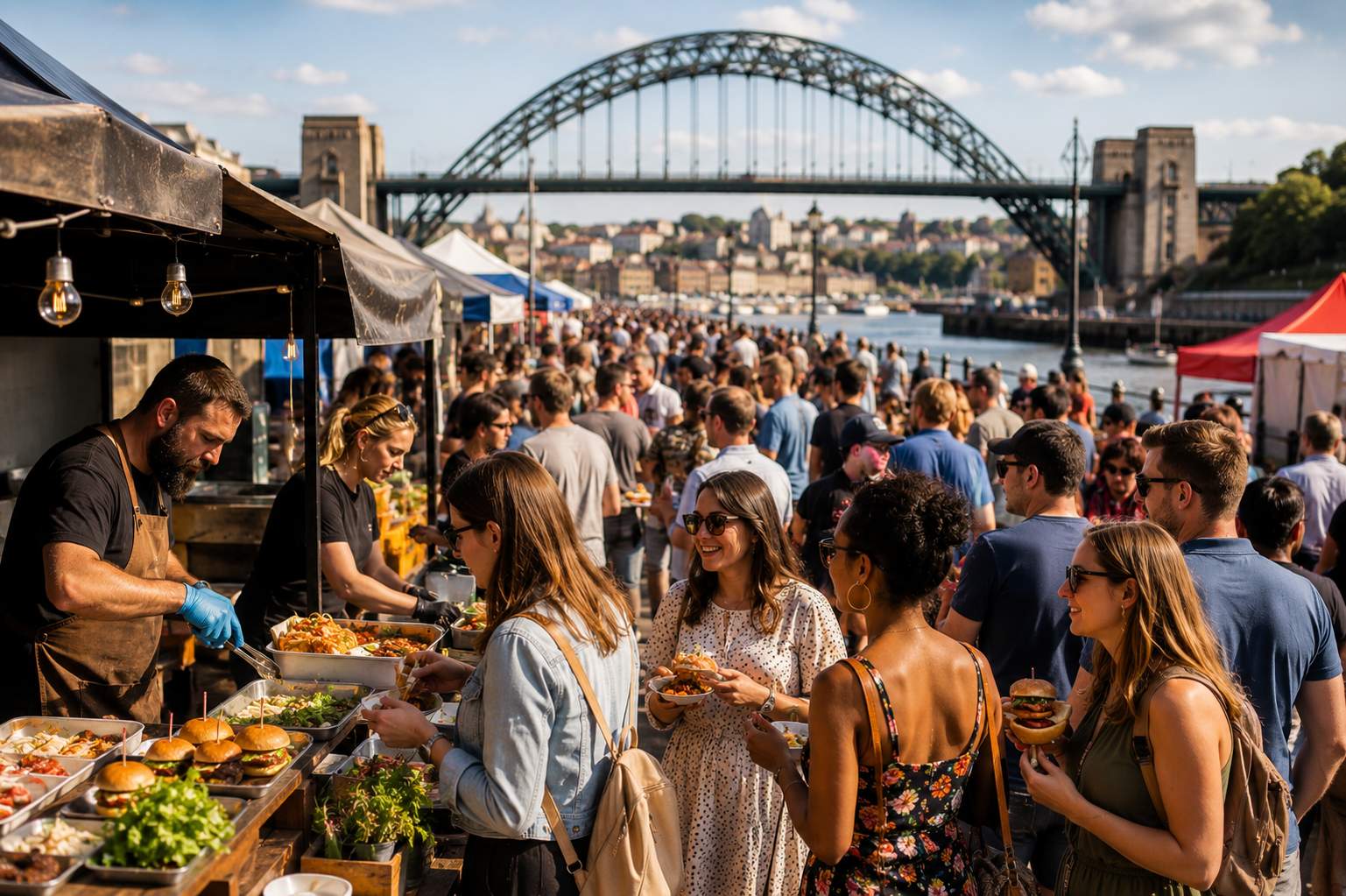
Food has become a significant part of that appeal. Areas such as the Quayside, Ouseburn, Grainger Market and Jesmond offer visitors a diverse range of culinary experiences, from traditional North East dishes to modern global cuisine.
For many visitors, exploring Newcastle's food scene is becoming just as important as visiting its famous landmarks.
The North East's Local Produce Is Drawing Attention.
One of the biggest drivers behind food tourism is the growing consumer desire for authentic local experiences.
The North East offers a rich variety of locally sourced food, including Northumberland seafood, regional cheeses, artisan baked goods and farm-produced meats. Visitors increasingly want to know where their food comes from and enjoy dishes that reflect the character of the region.
This trend has encouraged more producers, restaurants and hospitality businesses to promote local sourcing. Food and Drink North East continues to support businesses across the sector, helping showcase the region's growing reputation for quality produce and food innovation.
As travellers seek more meaningful experiences, local food stories are becoming powerful attractions in their own right.
Food Markets And Festivals Are Fueling Growth.
Food festivals and markets have become essential components of the modern visitor economy.
Across Newcastle and the wider North East, events celebrating local food and drink continue to attract significant audiences. Markets provide visitors with opportunities to sample regional products while supporting independent businesses.
These events also encourage longer visitor stays and increased spending within local economies. Tourism data shows that the North East welcomed more than 69 million visitors in 2023, representing a 5 percent increase compared with the previous year.
Many tourism experts believe food-led events are playing an increasingly important role in attracting both domestic and overnight visitors to the region.
Social Media Is Changing How People Travel For Food.
The rise of Instagram, TikTok and YouTube has transformed food tourism.
Today, a single viral restaurant dish or bakery product can attract visitors from hundreds of miles away. Food influencers regularly showcase hidden gems, local specialities and unique dining experiences, creating interest in destinations that might previously have gone unnoticed.
Recent reports have even highlighted the growth of "bakery tourism", where travellers plan entire trips around visiting highly regarded bakeries and artisan food businesses.
This trend has benefited independent businesses across the North East, many of which have seen increased visitor numbers after gaining online attention.
For younger travellers especially, discovering unique food experiences has become a major motivation when choosing where to visit.
Coastal Food Tourism Is Expanding Across The Region.
The North East coastline is becoming an increasingly important part of the region's food tourism offering.
Towns such as Tynemouth, Amble, Seahouses and Whitley Bay have developed strong reputations for seafood, independent cafes and waterfront dining experiences. Visitors are increasingly combining coastal breaks with culinary exploration.
Recent tourism data has shown particularly strong growth in overnight visitor spending in North Tyneside, where coastal hospitality businesses continue to benefit from increasing visitor demand. Economic impact from overnight visitors has risen significantly compared with pre-pandemic levels.
The combination of scenic coastlines and high-quality food experiences is proving highly attractive to both domestic and international visitors.
Food Tourism Supports Jobs And Local Businesses.
The benefits of food tourism extend far beyond restaurants.
Tourism across the North East is estimated to support more than 63,000 jobs and contribute over £6.1 billion to the regional economy. Newcastle alone accounts for approximately £1.43 billion in economic impact and supports nearly 14,000 jobs linked to the visitor economy.
Food tourism helps support farmers, producers, suppliers, market traders, accommodation providers and transport businesses. Every visitor spending money on meals, local produce or food experiences contributes to a wider network of businesses.
This economic impact explains why many local authorities and tourism organisations increasingly view food as a strategic growth opportunity.
Why Culinary Travel Shows No Sign Of Slowing Down.
The growing popularity of food tourism reflects changing traveller priorities. People increasingly value authentic experiences, local culture and memorable moments over traditional sightseeing alone.
For Newcastle and the North East, this presents a major opportunity. The region combines strong culinary traditions with innovative restaurants, thriving food markets and access to exceptional local produce.
As visitors continue searching for unique dining experiences across the UK, the North East is well positioned to establish itself as one of Britain's most exciting food tourism destinations. With visitor numbers continuing to rise and the region's reputation strengthening, food could become one of the most powerful drivers of tourism growth in the years ahead.
Share your favourite local food experiences.
Have you travelled somewhere specifically for a restaurant, food market or local speciality?
Travel News
Why Newcastle Is Quickly Becoming A Top UK Food Destination
Advertisement




Comments (0)
You must be logged in to post comments.
Don't have an account? Register here
No comments yet. Be the first to share your thoughts!